
Why Red Bearded Dragons Are a Must-Have Pet
If you’re searching for a colorful, docile, and beginner-friendly reptile, the red bearded dragon is one of the most eye-catching options available. These striking lizards stand out with their deep crimson, ruby-red, and fiery orange hues that make them pop in any terrarium.
Whether you’re a first-time owner or an experienced keeper hunting for the perfect red bearded dragon morph, this complete guide covers everything: appearance, care requirements, tank setup, diet, health tips, and more. By the end, you’ll know exactly how to give your red bearded dragon the best life possible.

(Image ideas: Close-up of a vibrant adult red bearded dragon basking – perfect hero image. Alt text: “Stunning adult red bearded dragon showing vibrant red coloration”)
Bearded Dragon
-
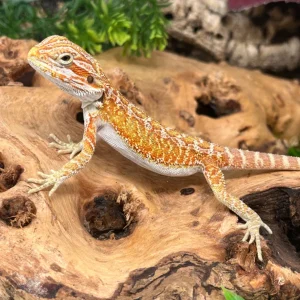
Hypo Red Rain Bearded Dragon
$299.00Select options This product has multiple variants. The options may be chosen on the product page -
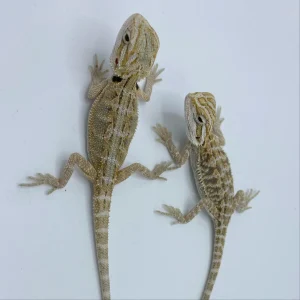
Leatherback Witblits Bearded Dragon
$269.00Select options This product has multiple variants. The options may be chosen on the product page -
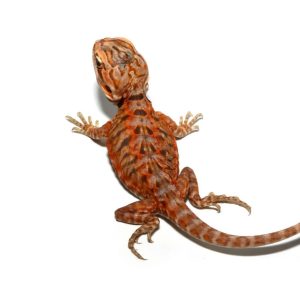
Tangerine Translucent Bearded Dragon
$299.99Select options This product has multiple variants. The options may be chosen on the product page -
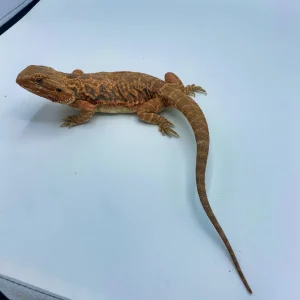
Red Leatherback Bearded Dragons
Price range: $115.00 through $275.00Select options This product has multiple variants. The options may be chosen on the product page
What Is a Red Bearded Dragon? (Morph Explained)
The red bearded dragon (Pogona vitticeps) is a selectively bred color morph of the central (or inland) bearded dragon. While wild bearded dragons are typically tan or brown, captive breeding has produced vibrant red variants with reduced dark pigmentation and enhanced red tones.
Popular red lines include:
- Sandfire Red – Bright, consistent red
- Belgium Red – Deep ruby hues
- Red Monster – Extreme saturation (note: some lines require careful outcrossing to avoid health issues)
- Citrus Red or Ruby Red – Lighter or deeper shades
These dragons grow to 18–24 inches (including tail) and live 8–12 years with proper care. They’re active during the day, love to bask, and often develop fun personalities – some even enjoy gentle handling!

(Image placement: Side-by-side comparison of normal vs. red morph if you have one. Alt text: “Red bearded dragon morph vs standard coloration”)
Red Bearded Dragon Appearance: What Makes Them Special?
Red bearded dragons feature:
- Vibrant head, back, and tail coloration ranging from brick red to fire-engine red
- Reduced black patterning for a cleaner, brighter look
- Spiky “beard” that turns darker when they’re excited or stressed
- Strong limbs and nails for climbing
Baby red bearded dragons (hatchlings) often show lighter orange-red tones that deepen with age and proper UVB/heat.

(Image: Baby red bearded dragon hatchling. Alt text: “Cute baby red bearded dragon hatchling”)
Complete Red Bearded Dragon Care Guide
Caring for a red bearded dragon is straightforward and nearly identical to standard bearded dragons. Follow these proven guidelines for a healthy, long-lived pet.
1. Enclosure Size & Setup (Tank Requirements)
- Juvenile (under 12 months): Minimum 20–40 gallon long tank
- Adult: Minimum 4x2x2 ft (120-gallon equivalent) or larger – bigger is always better!
- Best materials: PVC, front-opening enclosures, or well-ventilated glass terrariums
Essential décor:
- Multiple basking rocks or platforms
- Hides on hot and cool sides
- Branches for climbing
- Live or artificial plants for enrichment
Substrate options: Tile (easiest to clean), paper towels (for babies), or reptile-safe sand for adults.
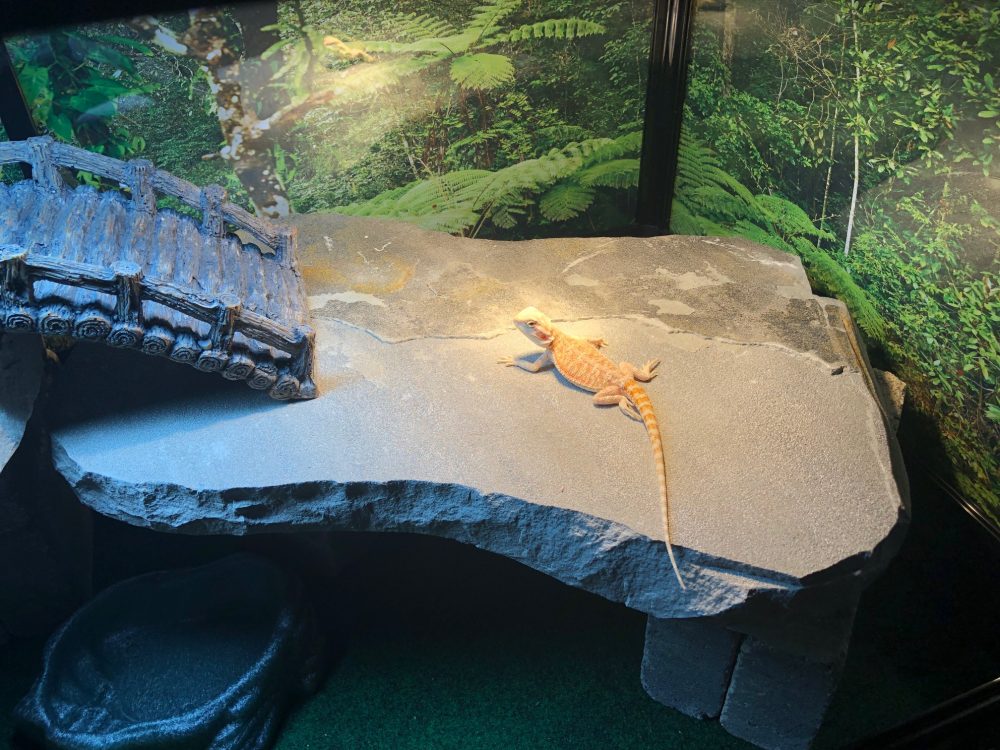
(Image: Fully set up red bearded dragon enclosure. Alt text: “Proper red bearded dragon habitat with basking rock and hides”)
2. Temperature & Lighting (Critical for Health)
- Basking spot: 95–110°F (38–43°C)
- Warm side: 85–95°F
- Cool side: 75–85°F
- Nighttime: 65–70°F (use ceramic heat emitter if needed – never red heat bulbs at night)
Lighting:
- UVB tube (10.0 or Arcadia 12% – 12–14 hours/day)
- Basking bulb (no red light – it disrupts sleep)
Use a digital thermometer/hygrometer at both ends.
3. Humidity
Keep it low: 30–40%. Mist occasionally and provide a shallow water dish for drinking and soaking.
4. Diet: What Do Red Bearded Dragons Eat?
Red bearded dragons are omnivores:
- Juveniles (0–12 months): 70–80% insects (crickets, dubia roaches, superworms) + 20–30% greens
- Adults: 20–30% insects + 70–80% vegetables/greens
Daily staples:
- Collard greens, mustard greens, dandelion greens, squash, bell peppers
- Occasional fruits (blueberries, mango – in moderation)
Supplements: Calcium powder (daily for babies), multivitamin (2–3x/week). Gut-load insects 24 hours before feeding.
Pro tip: Feed babies daily; adults every other day. Never feed fireflies or wild-caught insects.

(Image: Red bearded dragon eating. Alt text: “Red bearded dragon enjoying fresh vegetables”)
5. Handling & Enrichment
Red bearded dragons are generally calm and handleable. Start slow with short sessions. Provide enrichment like puzzle feeders or safe exploration time outside the tank.