
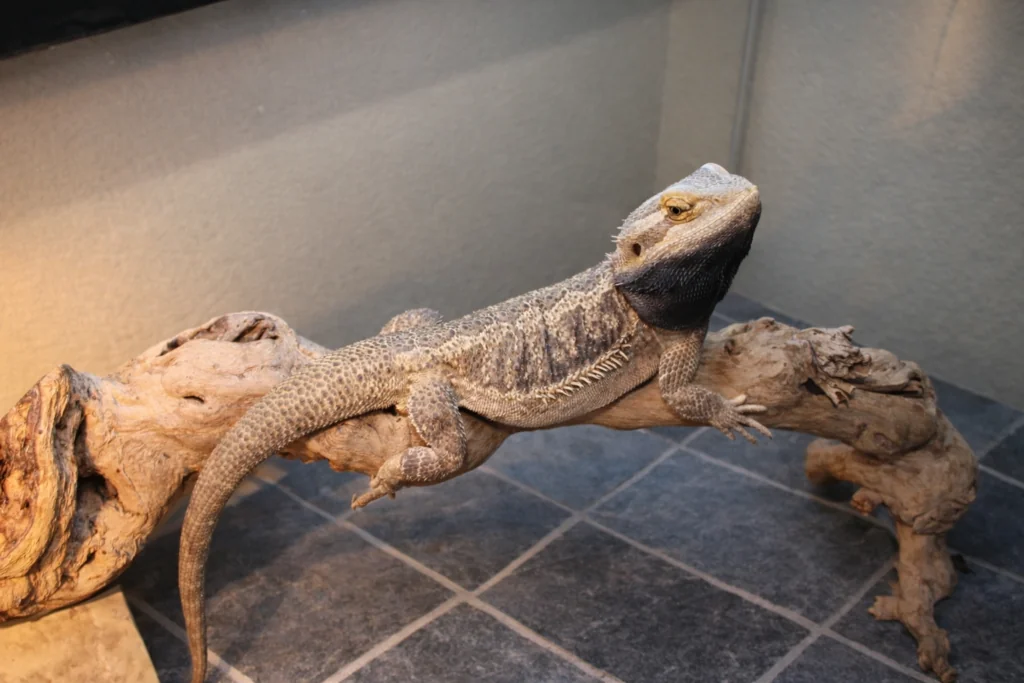
Black Bearded Dragon – Expert Guide for Owners and Enthusiasts. The Black Bearded Dragon is one of the most fascinating and visually striking reptiles you can own. Known for its dark coloration, calm temperament, and expressive behavior, this unique lizard has become a favorite among reptile lovers worldwide. Whether you’re a beginner or an experienced keeper, this expert guide covers everything you need to know—from care and habitat setup to diet and health.
What Is a Black Bearded Dragon?
A Black Bearded Dragon isn’t a separate species but a variation of the common bearded dragon (Pogona vitticeps). These reptiles can darken their skin dramatically due to mood, temperature regulation, or stress. When fully dark, they appear almost entirely black, giving them their distinctive name.
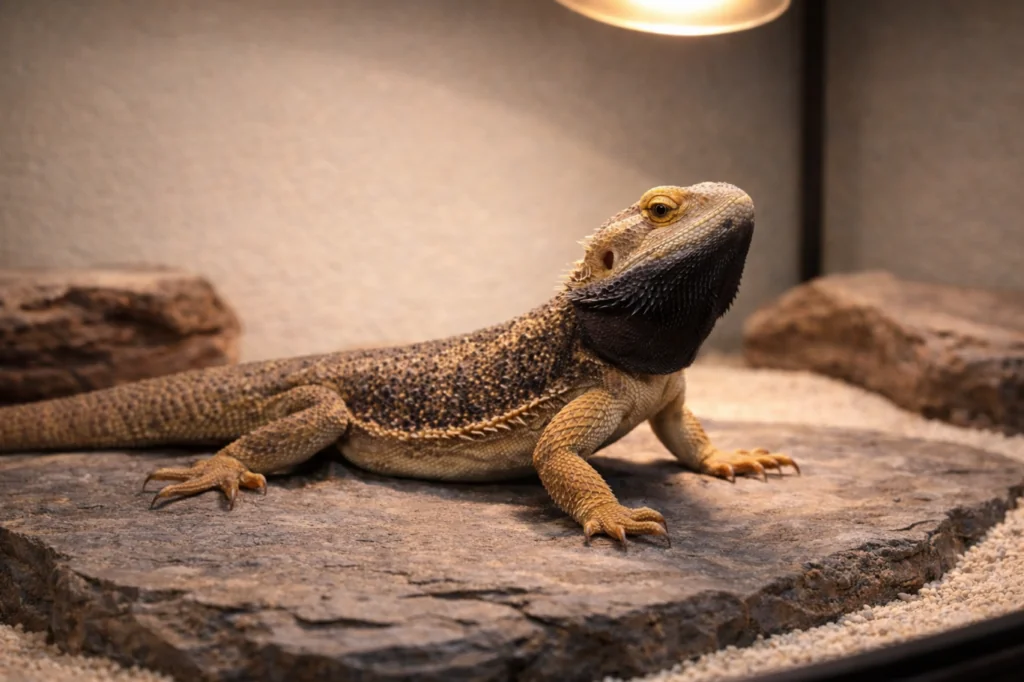
Key Characteristics:
- Color ranges from dark brown to jet black
- Typically grows 16–24 inches long
- Lifespan of 8–12 years (or more with proper care)
- Friendly, docile, and easy to handle
Why Are They Black?
The dark coloration of a Black Bearded Dragon is often temporary and linked to several factors:
- Temperature Regulation: They darken their skin to absorb more heat
- Stress or Fear: Environmental changes or handling can trigger darker shades
- Dominance Displays: Especially in males during breeding season
- https://redbeardeddragon.com/Health Signals: Persistent black coloration may indicate illness
Understanding these signals helps owners respond appropriately to their pet’s needs.
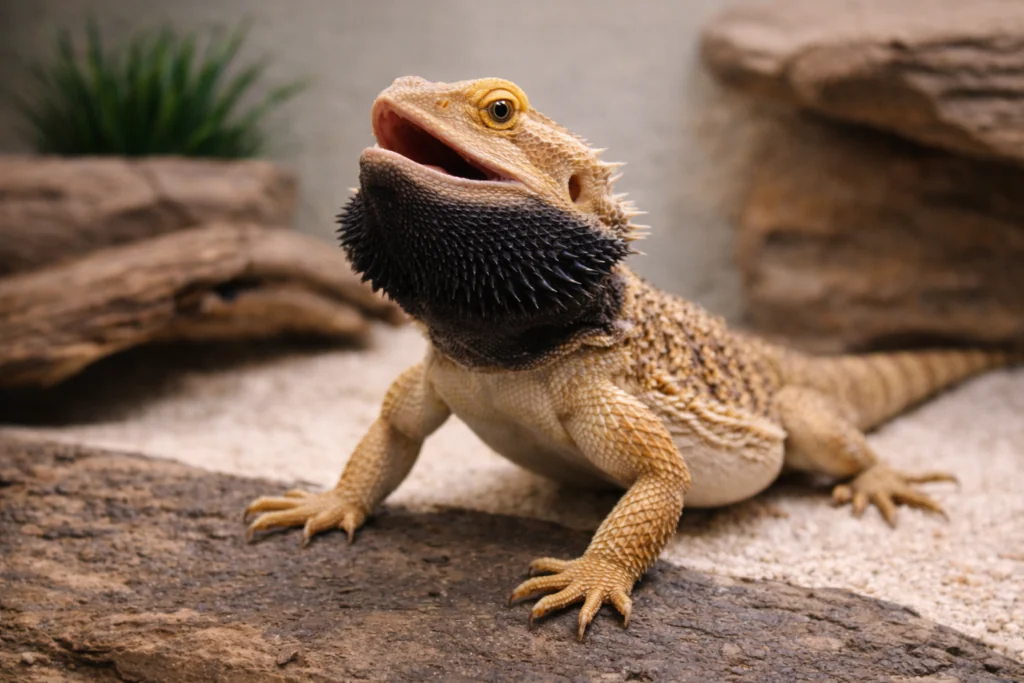
Ideal Habitat Setup
Creating the right environment is essential for keeping your Black Bearded Dragon healthy and active.
Tank Requirements:
- Minimum 40-gallon tank (75+ gallons for adults)
- Glass terrarium with proper ventilation
Lighting & Heating:
- UVB lighting (10–12 hours daily)
- Basking spot: 95–110°F (35–43°C)
- Cool side: 75–85°F (24–29°C)
Substrate Options:
- Reptile carpet
- Ceramic tiles
- Paper towels (for easy cleaning)
Avoid loose substrates like sand, as they can cause impaction.
Diet and Nutrition
A balanced diet is crucial for your dragon’s growth and longevity.
What to Feed:
- Insects: Crickets, dubia roaches, mealworms
- Vegetables: Collard greens, mustard greens, squash
- Fruits (occasionally): Berries, apples
Feeding Tips:
- Juveniles: 2–3 times daily (mostly insects)
- Adults: Once daily (more greens than insects)
- Always dust food with calcium and vitamin supplements
Behavior and Temperament
Black Bearded Dragons are known for their calm and friendly nature. They enjoy human interaction and can even recognize their owners over time.
Common Behaviors:
- Head bobbing: Dominance or mating behavior
- Arm waving: Submission or acknowledgment
- Beard puffing: Defense or stress response
Health and Care Tips
Keeping your reptile healthy requires attention to detail and routine care.
Signs of a Healthy Dragon:
- Bright, alert eyes
- Strong appetite
- Smooth shedding cycles
Common Health Issues:
- Metabolic bone disease (lack of calcium/UVB)
- Respiratory infections
- Parasites
Regular vet checkups and proper husbandry can prevent most problems.
Is a Black Bearded Dragon Right for You?
If you’re looking for a low-maintenance, interactive, and visually unique reptile, the Black Bearded Dragon is an excellent choice. They are beginner-friendly but still require commitment, proper setup, and consistent care.
Final Thoughts
Owning a Black Bearded Dragon is a rewarding experience. With the right knowledge and preparation, you can ensure your pet thrives in a healthy and enriching environment. Whether you’re building your first reptile setup or expanding your collection, this striking lizard is sure to stand out.